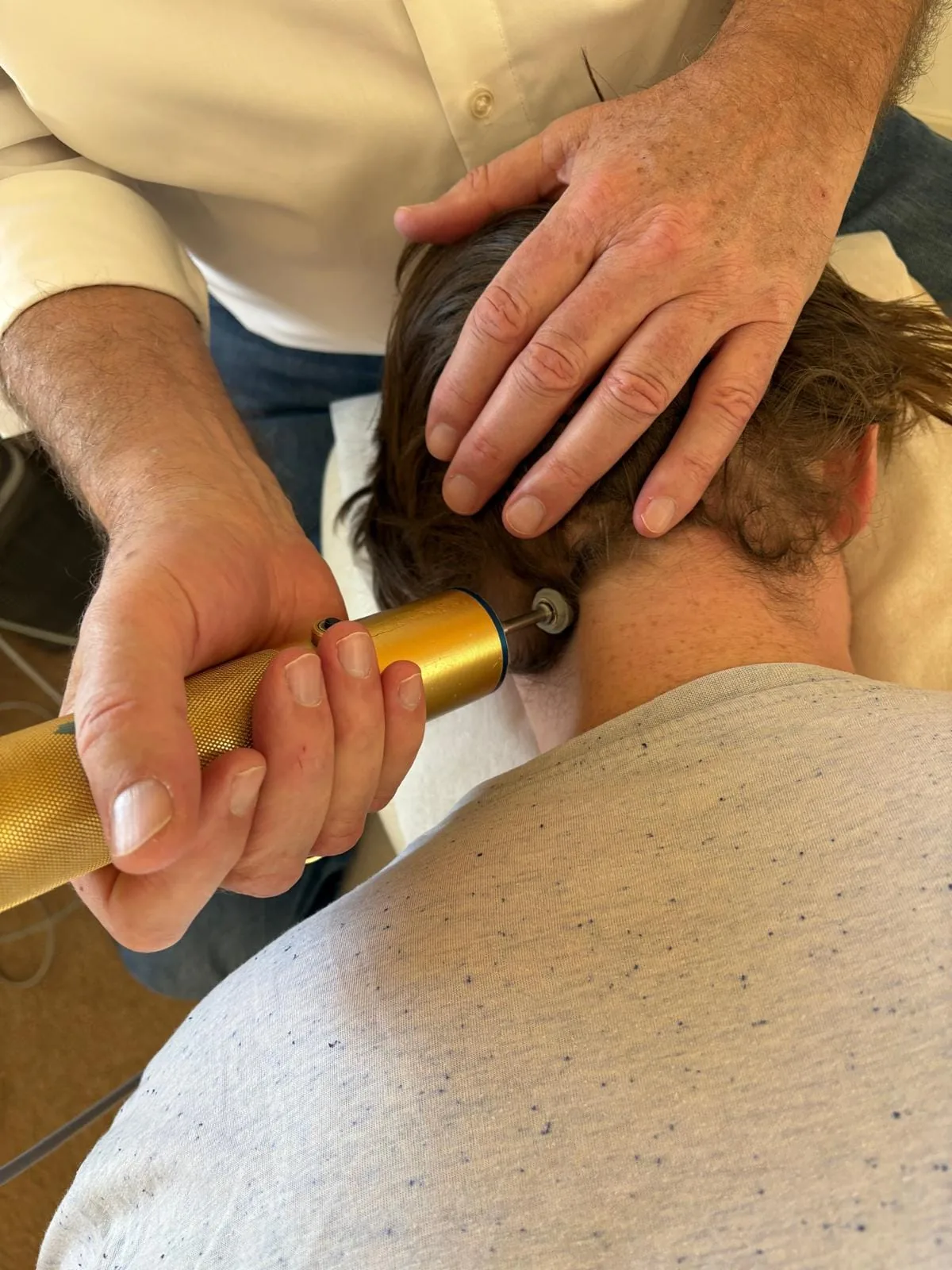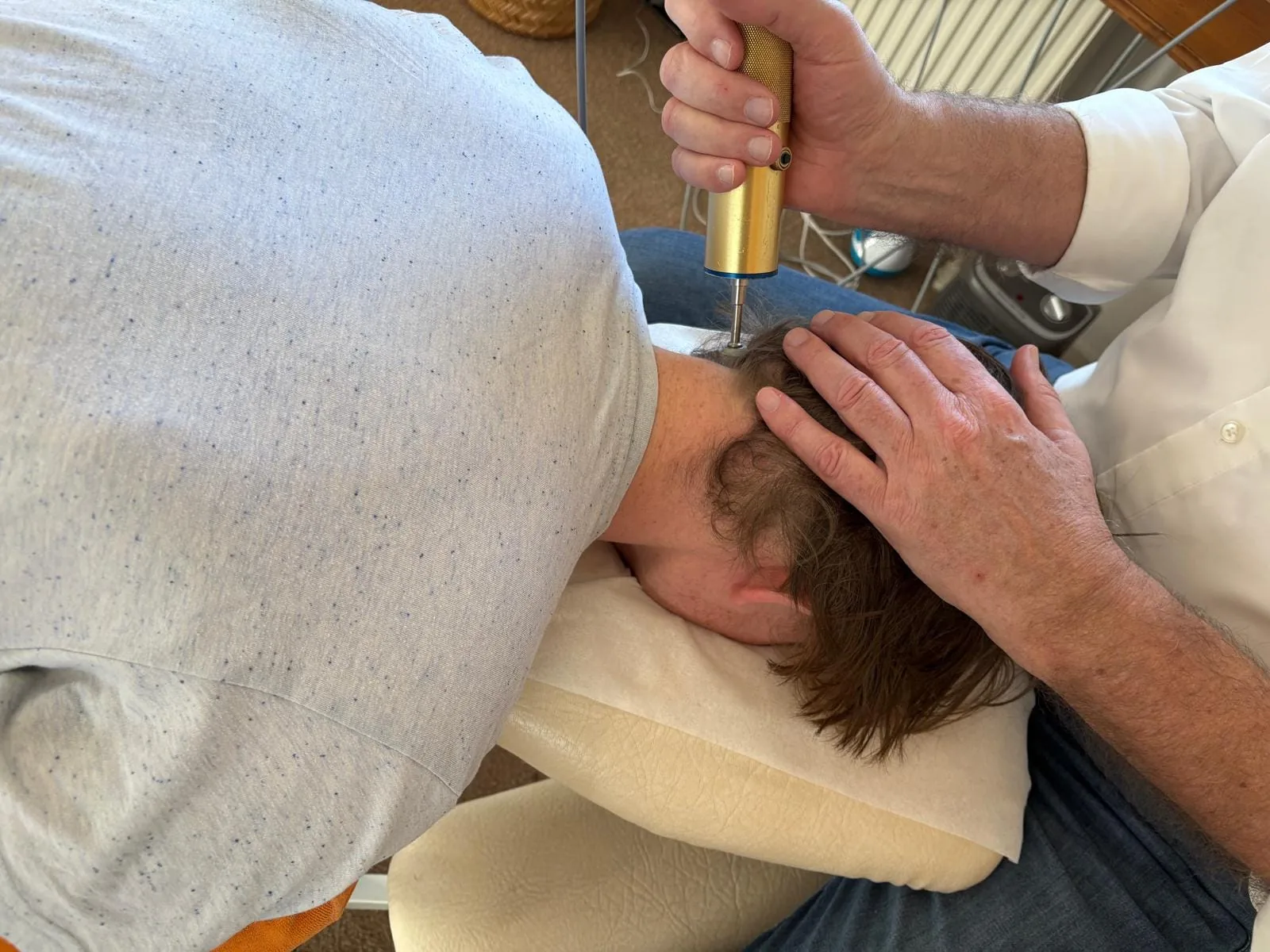
Why the lower back suffers for the atlas
When the atlas is out of position the whole spine curves to compensate and the pelvis tilts. The lumbar vertebrae and discs on one side are compressed more than the other, the muscles on that side work overtime, and nerves such as the sciatic nerve can be irritated. This shows up as recurring lower back pain, a stiff back on waking, pain radiating into the buttock or leg, and hip or knee pain on one side.
What clients experience
A Dutch physician who has referred dozens of patients with chronic neck and back complaints to Dr. Wim writes that these were patients who had not achieved lasting results with physiotherapists, manual therapists and exercise therapists over long periods. After the atlas treatment the complaints were gone and no further paramedical care was needed. The patients ranged from highly educated professionals to dock workers with heavy physical jobs and athletes. Read the full recommendation on the reviews page.
What to expect
After the atlas is corrected, the pelvis levels and the load on the lower back changes. Some clients feel relief straight away. Others feel the back briefly ache more as the muscles adapt to a new, straighter position, then improve over the following weeks. Gentle walking helps. Avoid heavy lifting and intense training for the first week. See what to do after the treatment.
Signs the atlas may be involved
- Back pain that is worse on one side
- A leg length difference or pelvic tilt has been noted
- Neck stiffness or headaches alongside the back pain
- Pain returned after every course of physio or manual therapy
- Complaints began after a fall, accident or whiplash