The difference between a real and a functional leg length difference
A true anatomical difference, where one leg bone is actually shorter, is rare. Far more common is a functional difference: the bones are equal but the pelvis is tilted, so one leg is pulled up and appears shorter. Insoles, heel lifts and pelvic exercises treat the appearance and give some relief, but the tilt returns because its cause is higher up.
How the atlas tilts the pelvis
When the atlas is rotated, the head is off-centre. To keep the eyes horizontal, the spine curves and the pelvis tilts. The result is a chain of compensation from the top of the neck to the feet: one shoulder higher, one hip higher, one leg apparently shorter, uneven wear on shoes and knees, and often lower back pain or hip pain on one side.
What happens in the treatment
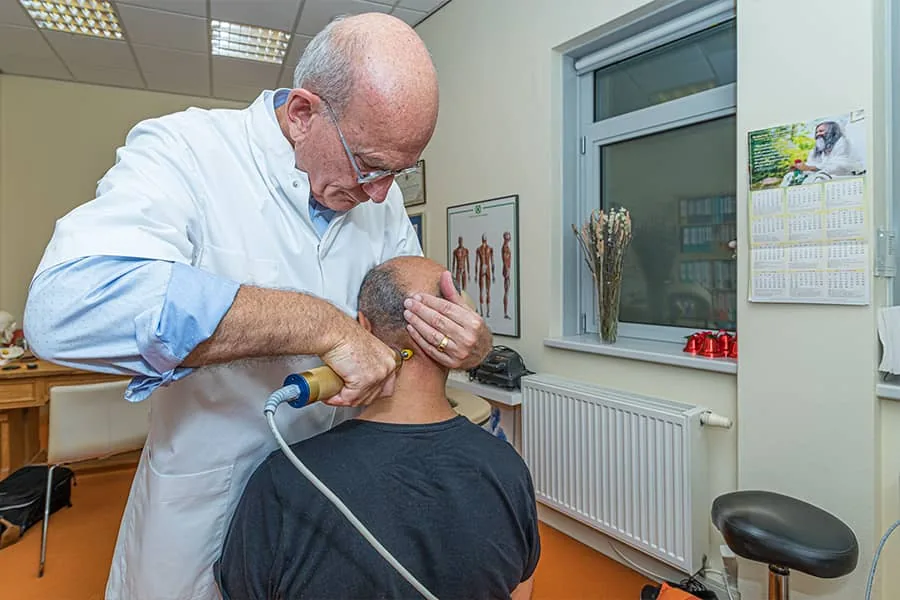
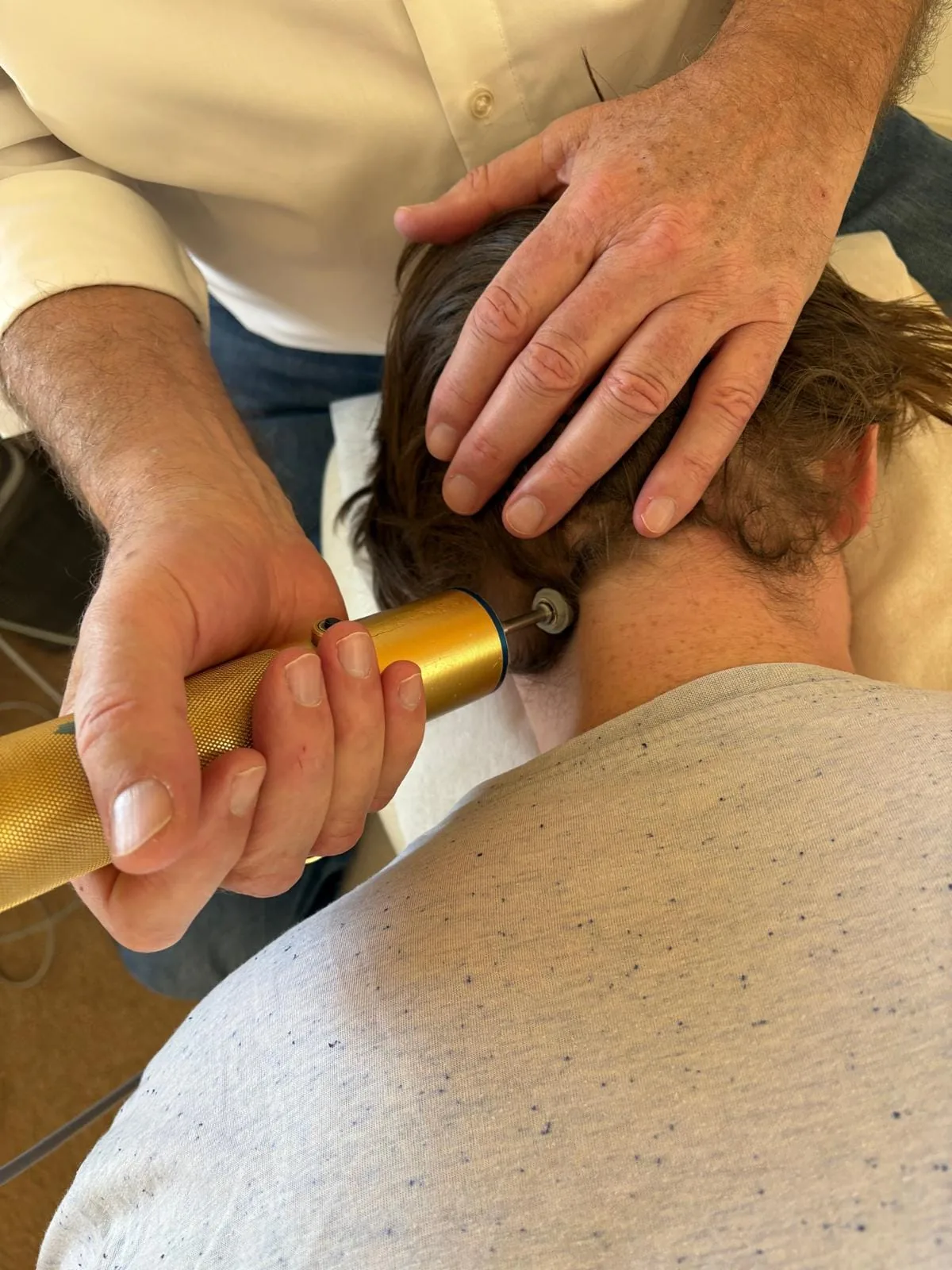
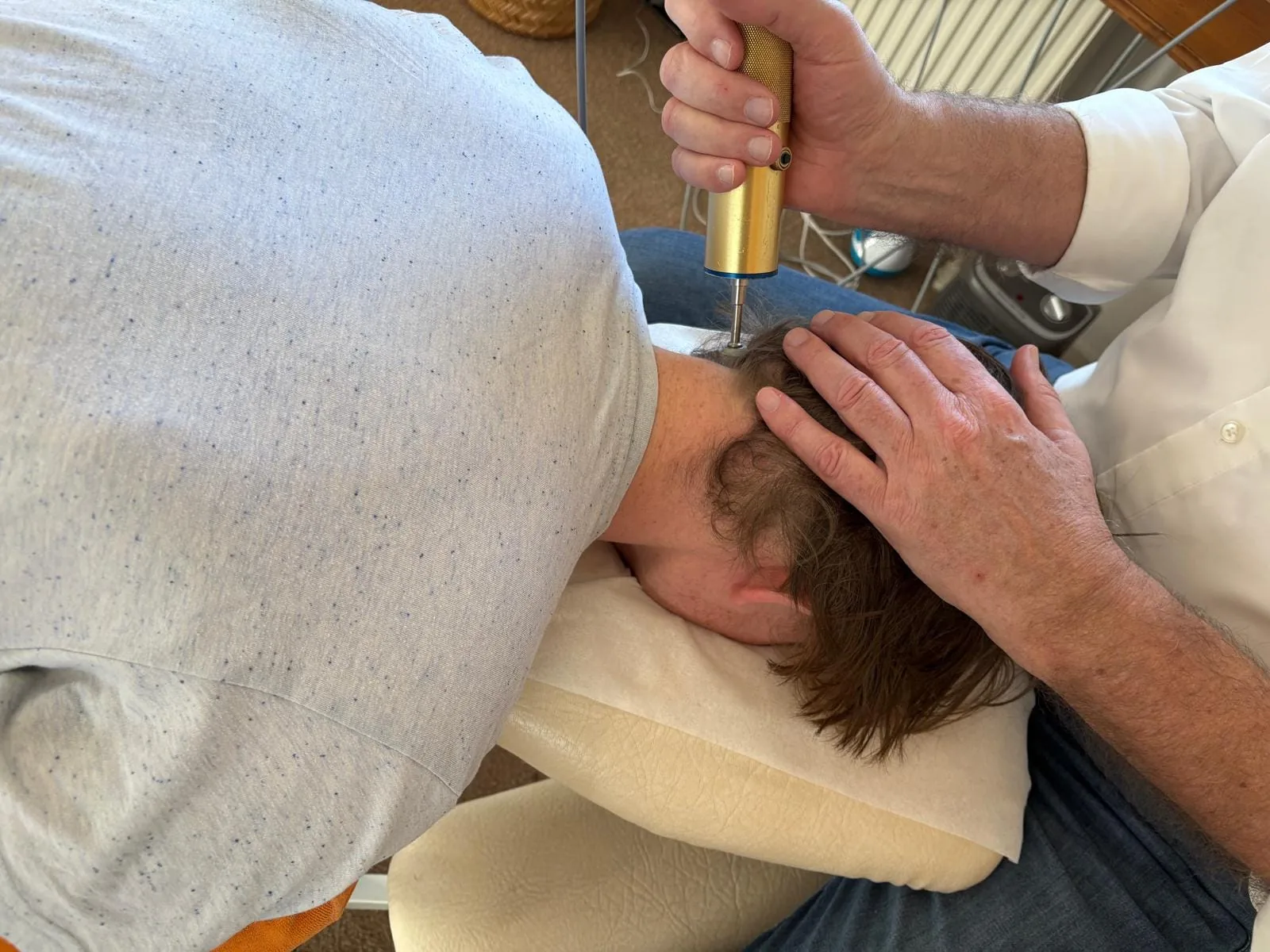
Leg length is checked on the table before the treatment as one of Dr. Wim's standard measurements. After the atlas is corrected it is checked again. In most clients the legs are now equal. The pelvis follows the atlas, not the other way round, which is why the atlas must be treated first before any pelvic correction can hold.
The best thing is, my leg length difference is gone, and my dizziness. I stopped wearing insoles, which I had worn since I was 18. I am 56 now.
Who this is for
- You have been told you have a leg length difference or scoliosis
- You wear insoles or a heel lift without lasting improvement
- One hip, knee or foot hurts more than the other
- Your trousers or shoes wear unevenly
- Pelvic corrections by a chiropractor or physio never hold